From Site Inspection to a Reliable Unit – How We Manage Your Project from Start to Finish
A structured process creates confidence, quality, and fewer surprises
When installing an elevator, lifting platform, goods lift, or other lifting solution, it is rarely the equipment itself that determines project success. It is the process.
At Hydro-Con Elevator, we have developed a proven project model that ensures an efficient and transparent process from initial site inspection to installation, handover, and ongoing service. Whether you represent a condominium association, housing cooperative, housing association, contractor, developer, or consultant, you get one dedicated partner ensuring progress throughout the entire project.
The goal is simple: to make complex elevator and lift projects manageable and to ensure that all parties know what is happening—and when.
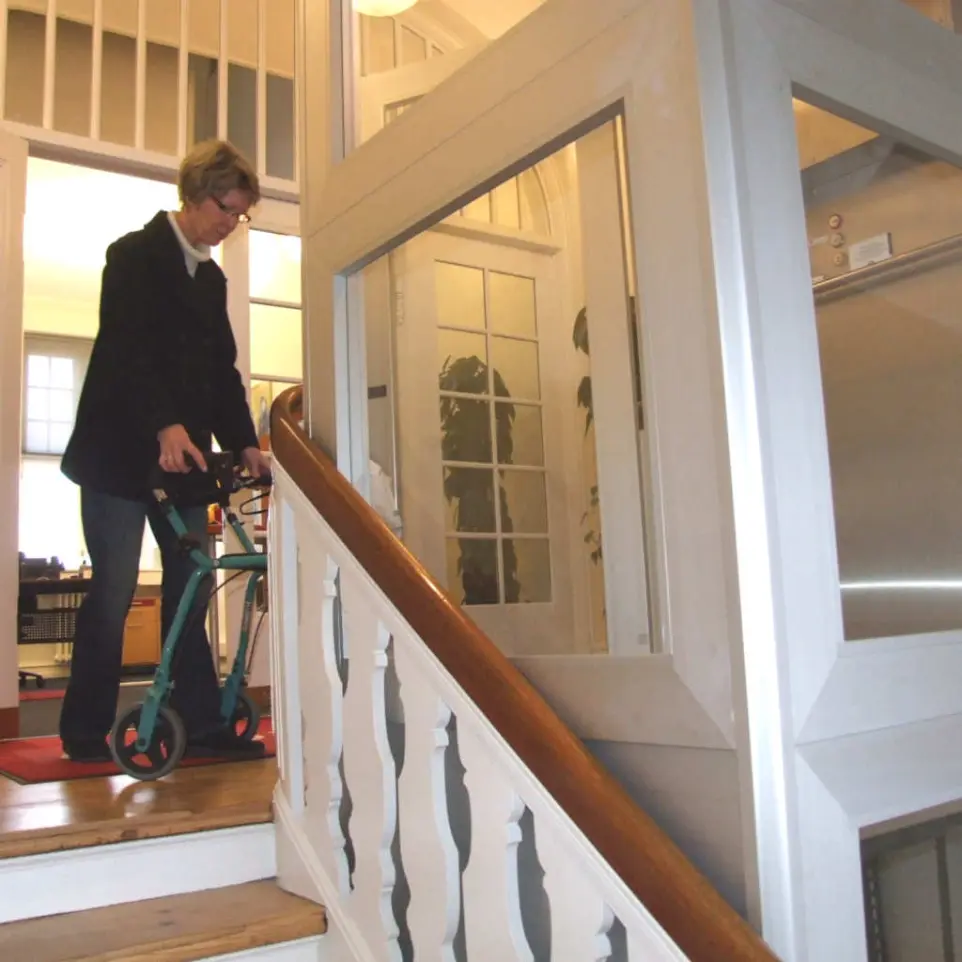
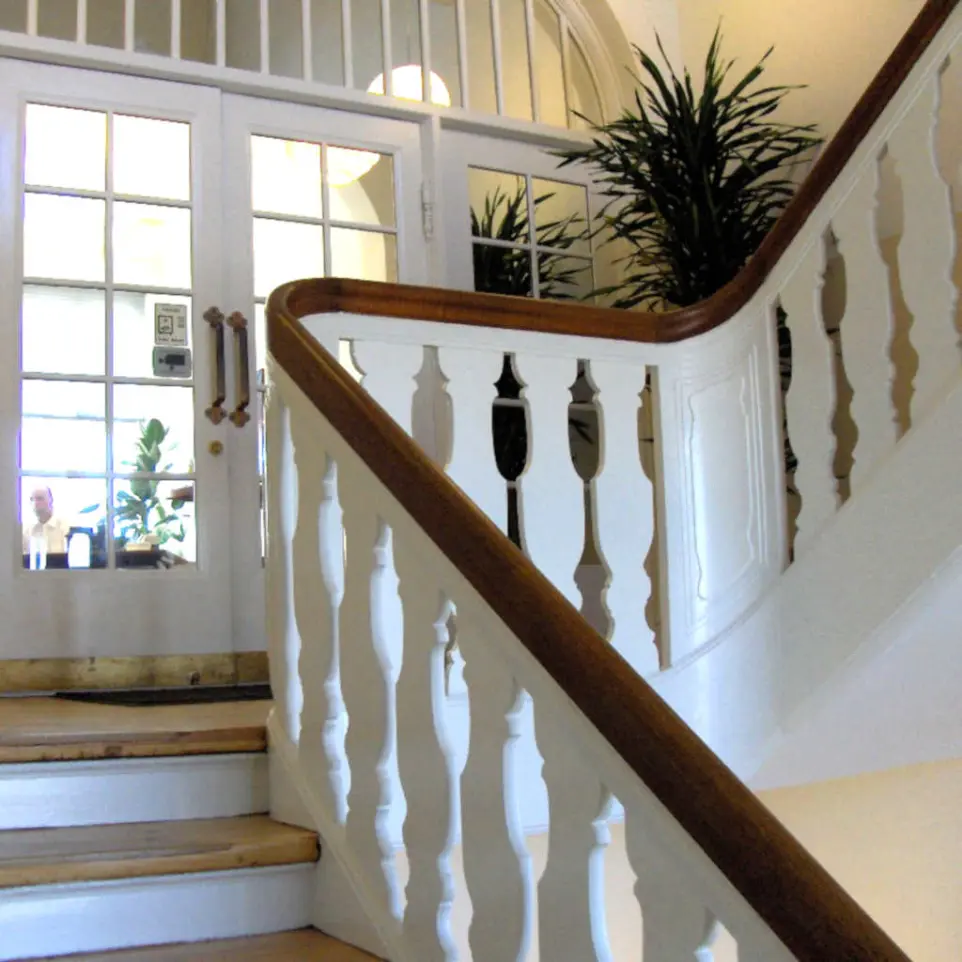
Elevator Project from A to Z
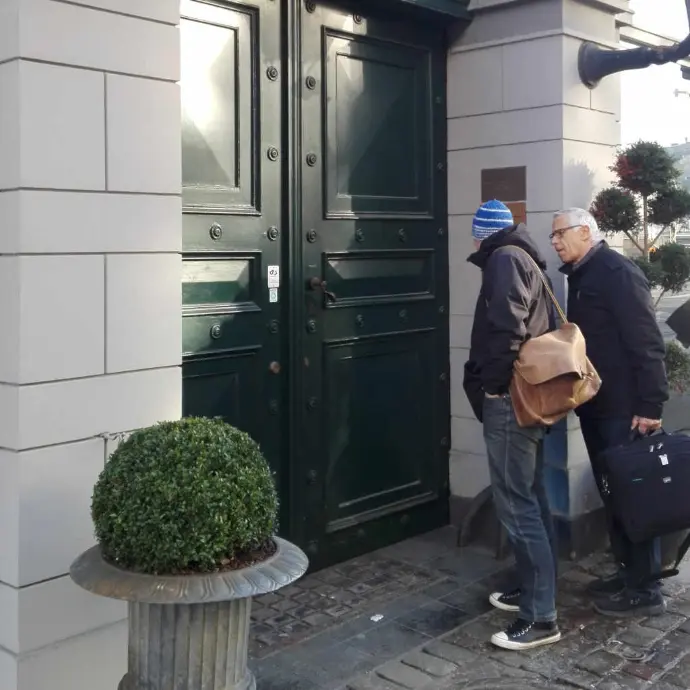
Site Inspection and Needs Assessment
All projects begin with a thorough site inspection.
We review the physical conditions of the property, identify needs and requirements, and detect potential technical challenges early in the process. For existing buildings, we assess access conditions, space availability, structural elements, installations, and usage patterns.
For housing cooperatives and condominium associations
The initial phase often focuses on creating a decision basis for boards and residents. Therefore, we focus on:
- Possible solution models
- Financial implications
- Accessibility and property value impact
- Expected timeline
- Operation and maintenance costs
For contractors and developers
In new construction or major renovation projects, the elevator contract is often part of a larger construction project. Early coordination with other disciplines ensures optimal integration into the building.
Proposal and Quotation
Based on the site inspection, we prepare a detailed solution proposal and quotation.
This includes:
- Type of installation
- Technical specifications
- Capacity and functions
- Optional features
- Project execution plan
- Delivery time
- Budget
The goal is to create a clear decision-making basis without hidden surprises.
For housing associations, the material can be used directly for board meetings, general assemblies, or discussions with administrators and consultants.
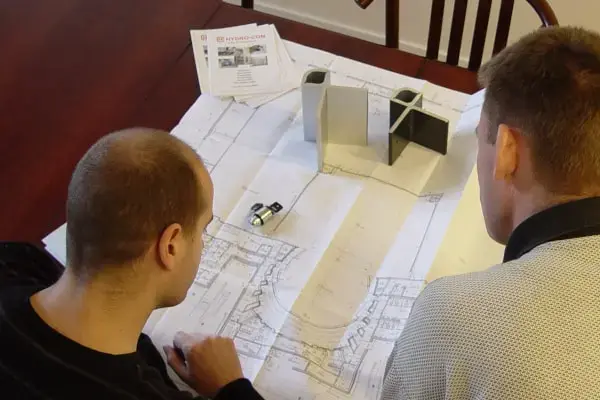
Approval and Project Start
Once the solution is approved, the project is initiated.
In this phase, we define:
- Project organization
- Contact persons
- Milestones
- Timeline
- Documentation requirements
- Regulatory requirements
We coordinate with relevant partners and ensure that all stakeholders have the necessary information.
For many clients, this is the phase where concerns about coordination and responsibility arise. Therefore, we work with structured processes and continuous communication throughout the project.
Engineering and Production
Once the project is fully approved, engineering and production begin.
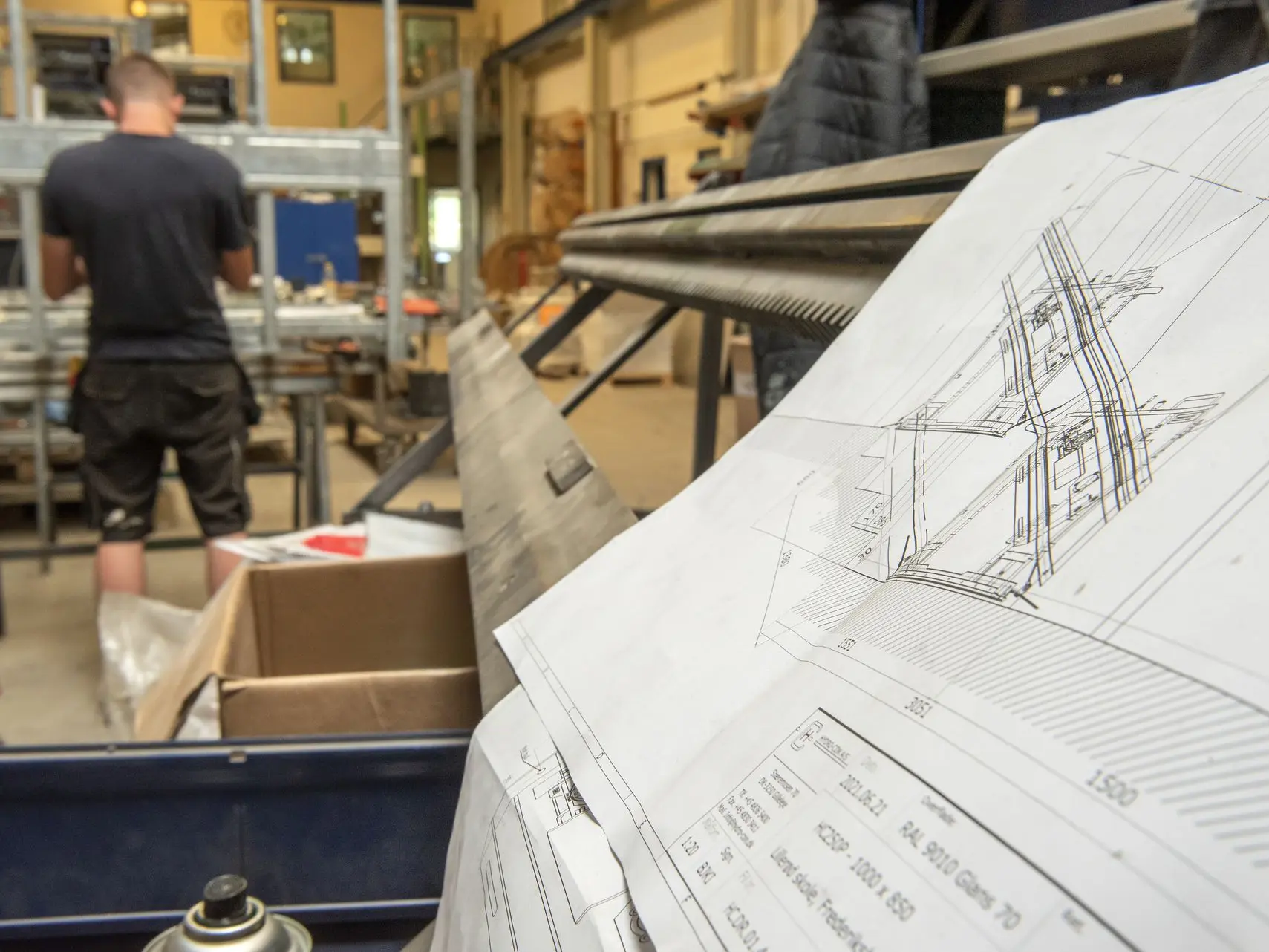
The selected solution is translated into technical drawings, specifications, and manufacturing data.
Depending on the project scope, this includes:
- Technical engineering
- Structural drawings
- Building adaptation
- Documentation
- Production planning
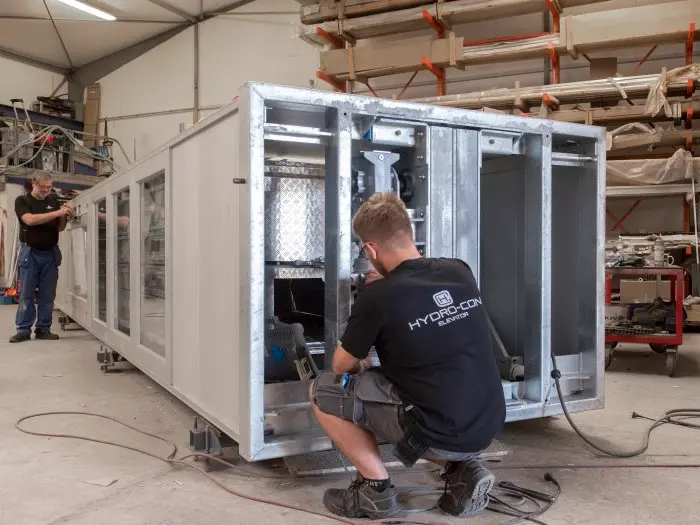
For custom solutions, production is tailored to the specific requirements of the project to ensure a precise fit for the building and its users.
This phase is essential for ensuring an efficient installation process later on.
Installation and Assembly
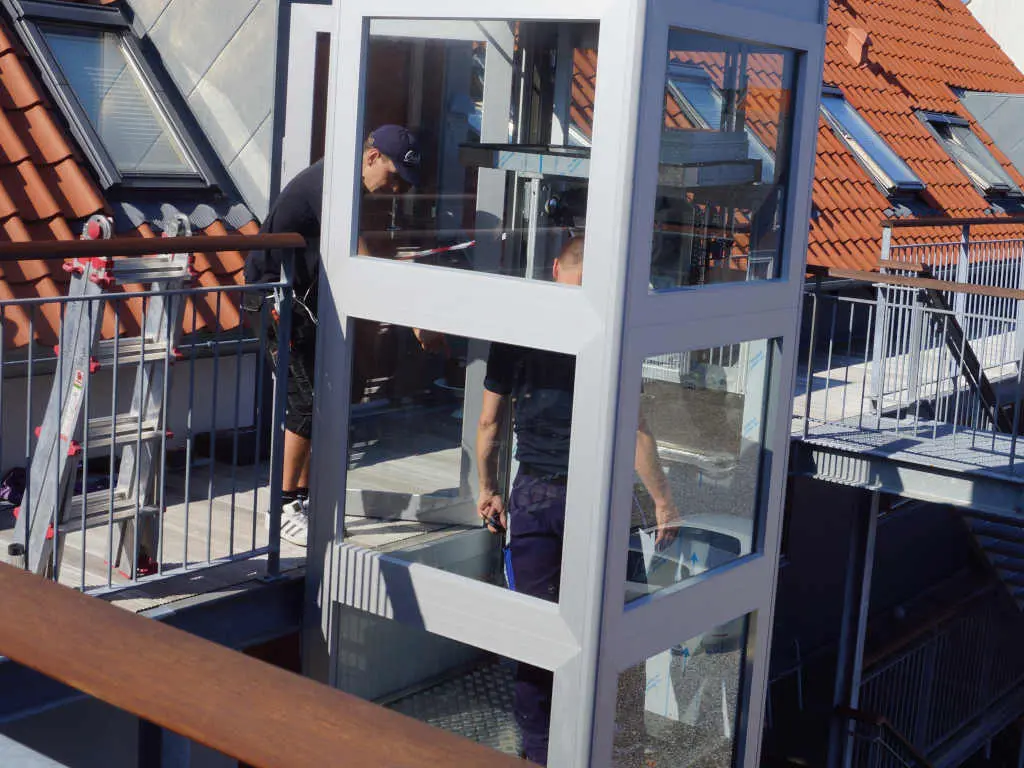
When production is complete and the site is ready, installation begins.
We carefully plan the installation to minimize disruption to residents and daily operations.
During installation, we ensure:
- Ongoing quality control
- Coordination with other contractors
- Schedule compliance
- Focus on safety
- Documentation of completed work
For housing associations, this results in a smoother process with fewer disturbances.
For contractors and developers, it ensures a partner who understands coordination, deadlines, and delivery requirements.
Testing, Handover, and Commissioning
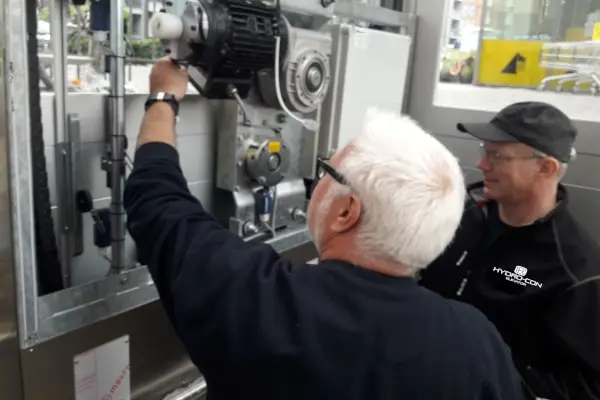
Before the system is put into operation, it undergoes thorough testing and inspection.
We ensure that all functions operate as intended and comply with applicable standards and regulations.
At handover, the client receives:
- Documentation
- Operation manuals
- User instructions
- Service information
- Support contact details
We also review the system’s operation with relevant users and maintenance staff.
Service, Maintenance, and Long-Term Operation
A system is only successful when it operates reliably year after year.
That is why we offer service agreements, preventive maintenance, and statutory inspections. Regular service contributes to high reliability, longer lifespan, and fewer unexpected costs. HC Elevator recommends service agreements that include both mandatory safety inspections and ongoing maintenance to ensure stable operation throughout the system’s lifetime.
Our service organization provides:
- Statutory inspections
- Preventive maintenance
- Troubleshooting
- Repairs
- Spare parts
- Support and consulting
The goal is to ensure maximum uptime and minimize the risk of operational disruptions.
Frequently Asked Questions About Elevator Projects, Installation, and Service
- An elevator project typically begins with a site inspection of the property, where we assess needs, technical possibilities, and any potential challenges. We then prepare a solution proposal and quotation. Once the project is approved, Hydro-Con Elevator manages the design, production, installation, handover, and ongoing service of the system.
- The timeline depends on the scope of the project, the building’s conditions, and the chosen solution. Following the initial site inspection, Hydro-Con Elevator prepares a detailed project plan with expected milestones for production, installation, and commissioning.
- Yes. Many existing residential and commercial buildings can have an elevator or lifting platform installed. During the site inspection, we assess factors such as available space, access routes, and the building’s structural conditions to determine the most suitable solution.
The website may use cookies to personalize content and facilitate the best possible navigation experience for the user. The user can configure their browser to be notified about, and to reject, the installation of cookies sent by us.
- The price depends on several factors, including the building’s layout, number of floors, elevator size, and any necessary structural modifications. Hydro-Con Elevator always prepares a tailored quotation based on the specific conditions and requirements of the property.
- Hydro-Con Elevator acts as a single, integrated partner throughout the entire project. We coordinate all project phases and ensure ongoing communication with boards, developers, contractors, consultants, and all other stakeholders involved.
- A quotation typically includes a description of the recommended solution, technical specifications, capacity, project execution plan, delivery time, and financial overview. The aim is to provide a clear decision-making basis without unexpected surprises.
- Depending on the nature of the project, regulatory approvals or building permits may be required. Hydro-Con Elevator provides guidance on applicable requirements and assists with the necessary documentation throughout the project.
- We carefully plan the installation process and coordinate the work with all relevant parties. The aim is to minimize disruption for residents and users as much as possible, while maintaining project quality and safety.
- Yes. We offer service agreements, maintenance, repairs, and technical support to ensure the system operates safely and reliably throughout its entire lifespan.
- Regular servicing contributes to high operational reliability, a longer service life, and fewer breakdowns. Preventive maintenance can also reduce the risk of major repairs and unexpected costs.
- Yes. We deliver elevator and lifting solutions to condominium associations, housing cooperatives, housing associations, contractors, developers, consultants, and public institutions. Each project is tailored to the building and the needs of its users.
- When the same partner handles site inspection, design, production, installation, and service, the result is a more efficient process with fewer interfaces, better coordination, and clear responsibility throughout the project’s lifecycle. As a Danish manufacturer, Hydro-Con Elevator takes full responsibility for the entire process—from initial consultation to many years of operation and service.
Why Choose One Partner for the Entire Process?
When a single supplier is responsible from site inspection to service, the risk of misunderstandings, delays, and additional costs is reduced.
You get:
- One point of contact
- Clear responsibility allocation
- Efficient project management
- Documented quality
- Close follow-up throughout the process
- Long-term service partner
For housing associations, this creates security throughout the decision-making and construction process.
For contractors, developers, and consultants, it creates a more efficient project flow with fewer interfaces and better coordination.
Shall We Look at Your Project?
Whether you are planning a new elevator, modernizing an existing system, or seeking advice on the optimal solution, we guide you safely through the entire process—from initial site inspection to many years of operation and service.